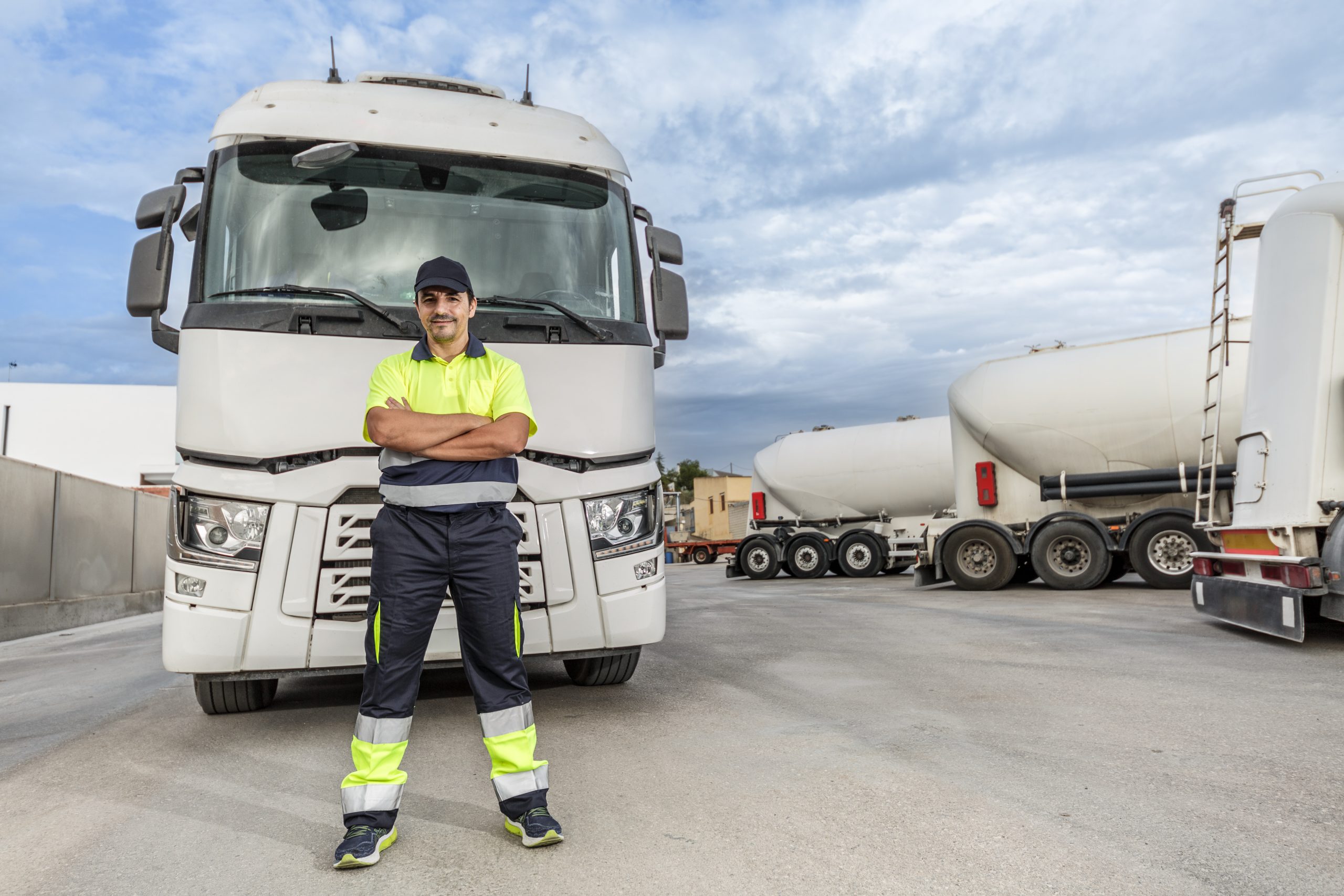
One of the most common questions drivers and transport businesses ask is whether a Dangerous Goods Driver Licence is actually required for a particular role or load. The confusion usually comes from the fact that not every dangerous goods task triggers the same licensing requirement.
In NSW, the answer depends on what is being transported, how it is packaged, and the quantity involved. That means two similar-looking jobs can fall on different sides of the requirement depending on the details.
This guide explains who typically needs the licence, what kinds of transport tasks trigger it, and how to avoid the common mistake of assuming either too much or too little.
What the Dangerous Goods Driver Licence Is For?
The Dangerous Goods Driver Licence exists to make sure drivers transporting higher-risk hazardous materials understand the rules, the risks, and the emergency procedures involved. It is not just about paperwork. It is about protecting people, the load, the vehicle, and the broader public.
This is why the licence matters most in roles involving regulated dangerous goods transport rather than general freight work.
- Applies to drivers transporting certain hazardous materials
- Supports legal compliance and safer transport practices
- Focuses on higher-risk loads and regulated quantities
- Works alongside training and assessment requirements
Who Usually Needs the Licence?
In practical terms, the licence is most relevant to drivers carrying bulk dangerous goods or loads that exceed the threshold quantities that trigger the licensing requirement. These are often specialist transport roles rather than general delivery jobs.
A Dangerous Goods Driver Licence is only required for the transportation of dangerous goods by road in the following cases:
(a) in a receptacle with a capacity of more than 500L; or
(b) if there is more than 500kg in a single receptacle; or
(c) in the case of intermediate bulk containers (IBCs), where the total capacity of all IBCs is more than 3,000L or where any IBC is filled or emptied while on a vehicle.
If a driver is moving fuel, chemicals, or other regulated hazardous materials as part of their work, it is worth checking the requirement early rather than assuming a standard licence is enough.
- Fuel tanker drivers
- Drivers carrying bulk dangerous goods
- Operators moving certain chemicals or industrial materials
- Transport roles working above the relevant quantity thresholds
When a Load Triggers the Requirement?
This is where a lot of confusion sits. It is not always the name of the product alone that matters. The requirement is usually shaped by the form of transport, the receptacle size, and the total quantity involved.
That is why packaged goods, small quantities, and bulk transport can all sit under different compliance expectations. The exact details of the job matter.
- Bulk dangerous goods transport is more likely to trigger licensing
- Larger receptacles can change the compliance requirement
- Quantity thresholds are a key factor in the decision
- Packaged dangerous goods may not always be treated the same as bulk loads
Roles That May Not Need the Licence
It is just as important to understand where the licence may not be required. Some workers deal with dangerous goods in ways that still require training, but not necessarily a Dangerous Goods Driver Licence.
This distinction matters because it helps businesses place staff into the right training pathway instead of over-training one role or under-training another.
- Drivers transporting loads below the relevant thresholds
- Warehouse or depot staff who do not drive regulated loads
- Support roles that require awareness training rather than a driver licence
- Workers handling packaged goods in lower-risk scenarios
Common Mistakes Drivers and Employers Make
The biggest risk is assuming that experience or routine work is enough. In many cases, the issue is not capability but misunderstanding the threshold where licensing becomes mandatory.
Transport businesses also make mistakes when they apply one rule to every role instead of checking the details of each task and load type.
- Assuming all dangerous goods transport needs the same licence
- Ignoring quantity and receptacle thresholds
- Confusing awareness training with driver licensing
- Leaving the decision until just before a job starts
Why Getting your Dangerous Good Licence Right Matters
Correctly identifying whether a role needs a Dangerous Goods Driver Licence protects both the driver and the business. It reduces legal risk, improves safety, and makes staffing decisions easier.
It also helps drivers move into better-paid specialist roles with confidence that they are fully compliant.
- Helps avoid fines and compliance issues
- Supports safer transport practices
- Improves role clarity across the business
- Can open up more specialised employment opportunities

Frequently Asked Questions
Do all drivers carrying dangerous goods need a Dangerous Goods Driver Licence?
No. The requirement depends on the type of goods, how they are packaged, and the quantity involved.
Who most commonly needs the licence?
Drivers transporting bulk dangerous goods or regulated quantities of hazardous materials are the most common group.
Can a warehouse worker need dangerous goods training without needing a driver licence?
Yes. Some roles need awareness or handling training even when they do not need a Dangerous Goods Driver Licence.
What is the biggest factor in deciding if the licence is required?
The main factors are the load type, receptacle size, transport method, and threshold quantity.
Is this something employers should check role by role?
Yes. Different transport and support roles can have different compliance requirements.
Why is it risky to assume a licence is not needed?
Because getting it wrong can create legal exposure, safety issues, and job delays for both the driver and the business.
Related Links / Pages
- Dangerous Goods Licence Course NSW
- Training Courses
- Prepare for Transport of Dangerous Goods
- Dangerous Goods Awareness Course
- Contact Us
Check the Requirement Before the Job Starts
If your role involves transporting dangerous goods, the safest move is to confirm the requirement early and book the right training pathway. Book the Dangerous Goods Licence Course in NSW and make sure you are job-ready and compliant.