When working with dangerous goods, not everyone needs the same level of training — but understanding the difference between certifications is critical. A common mistake is assuming that a Dangerous Goods Awareness course is enough for all roles, when in reality, licensing requirements depend on what you do.
Choosing the wrong training can leave you non-compliant, unable to perform your role, or exposed to risk. Knowing the difference ensures you complete the right course from the start.
What is a Dangerous Goods Driver Licence?
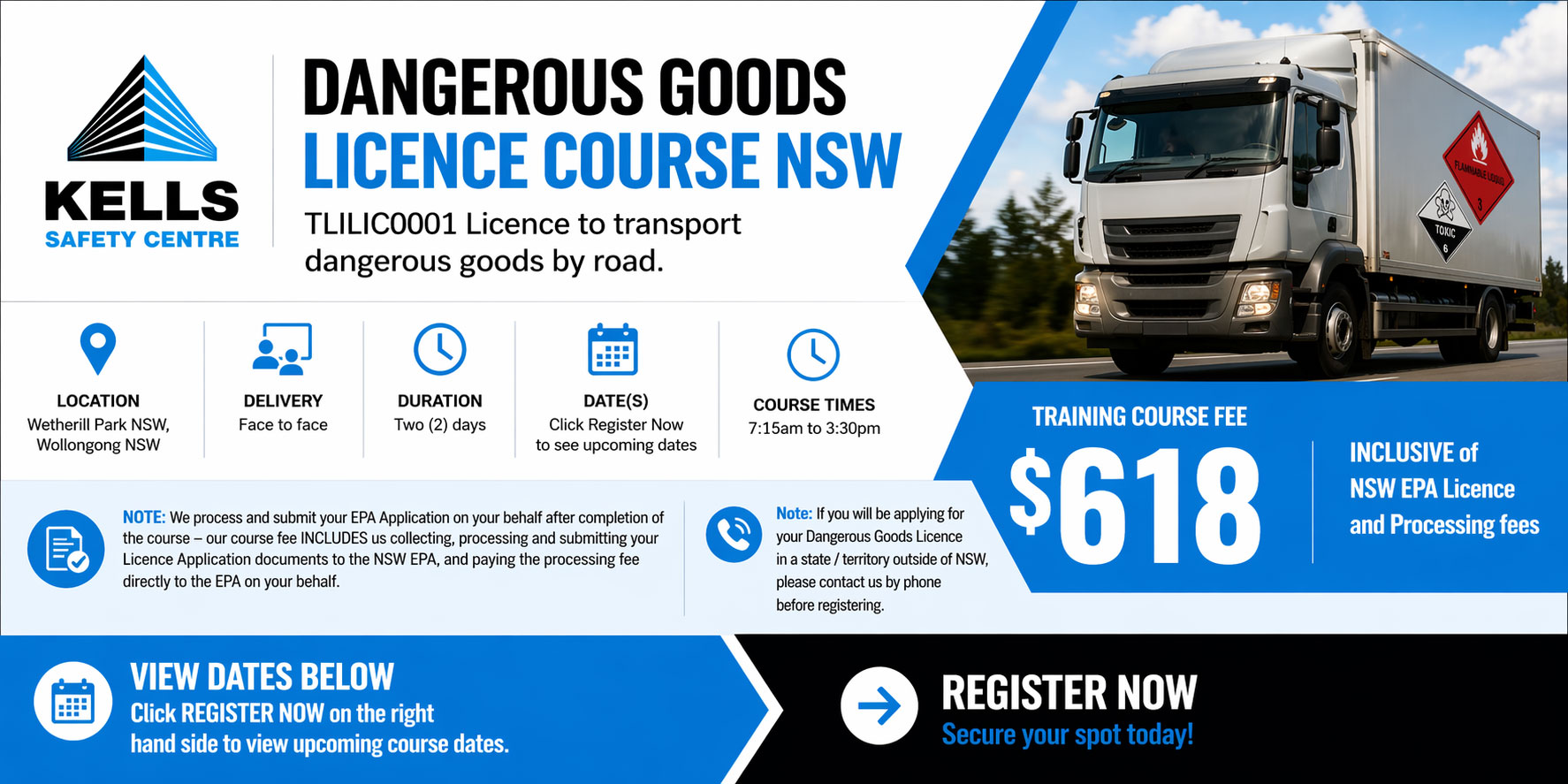
A Dangerous Goods Driver Licence is a formal certification required for individuals who transport regulated dangerous goods.
This licence is mandatory when:
- You are driving a vehicle carrying dangerous goods above threshold limits
- You are legally responsible for the load
- You are operating within regulated transport conditions
It involves completing accredited training and meeting strict compliance requirements.
What is Dangerous Goods Awareness Training?
Dangerous Goods Awareness Training is designed for workers who interact with dangerous goods but are not responsible for transporting them.
This includes roles such as:
- Warehouse staff
- Freight handlers
- Logistics coordinators
- Support staff in transport environments
The training focuses on general safety knowledge rather than full transport compliance.
Key Differences Between DG Licence and Awareness Training
While both relate to dangerous goods, they serve very different purposes.
A Dangerous Goods Driver Licence:
- Is legally required for transporting regulated loads
- Involves accredited, in-depth training
- Covers full compliance and responsibility
Dangerous Goods Awareness Training:
- Provides general safety knowledge
- Is not a substitute for licensing
- Is suitable for support or handling roles
Understanding this distinction is essential for compliance.
Which One Do You Need?
Your role determines which training is required.
You need a licence if:
- You are transporting dangerous goods
- You are responsible for the vehicle and load
You need awareness training if:
- You handle, store, or work around dangerous goods
- You are not directly transporting them
In some roles, especially supervisory positions, both may be beneficial.
Why Choosing the Right Training Matters
Completing the wrong training can lead to:
- Non-compliance with regulations
- Inability to perform your job legally
- Increased safety risks
- Potential fines or penalties
Ensuring you complete the correct certification protects both your role and your employer.
Frequently Asked Questions
What is the difference between a Dangerous Goods Licence and Dangerous Goods Awareness Training?
A DG Licence is required for transporting dangerous goods, while awareness training is for handling and general safety.
Do I need both certifications?
Some roles may require both, especially if you handle and transport dangerous goods.
Can I transport dangerous goods with awareness training only?
No, a full Dangerous Goods Driver Licence is required.
Who should complete DG Awareness Training?
Workers who handle, store, or work around dangerous goods but do not transport them.
Is a DG Licence mandatory in NSW?
Yes, if you are transporting regulated dangerous goods.
How long do these courses take?
Awareness training is usually shorter, while licence training is more detailed and structured.
Related Links / Pages
- Dangerous Goods Licence Course NSW
- Safe Work Load Program
- Prepare for Transport of Dangerous Goods
- Dangerous Goods Awareness Course
- Store and Handle Dangerous Goods Course
Start With the Right Course
If you need to get licensed for dangerous goods transport in NSW, start by confirming the requirement and booking the correct accredited course, such as Kells Safety Centre. It is the most practical way to move forward quickly and confidently. Start with the accredited NSW course.
Book the Dangerous Goods Licence Course in NSW and make sure you are job-ready and compliant.