
If you need to get a Dangerous Goods Licence in NSW, the process is much easier once it is broken down into clear steps. Most people who search for this are looking for a straightforward pathway rather than a technical explanation.
The good news is that the process is manageable when you start with the right question: do you actually need the licence for your role? From there, the training, assessment, and next stages become much easier to understand.
This guide lays out the steps in a practical order so you can move from research to action without confusion.
Step 1: Confirm That the Licence Applies to Your Role
Before booking anything, check that your transport task actually requires a Dangerous Goods Driver Licence. This depends on the type of goods, how they are packaged, and the quantity being moved.
This first step matters because it prevents two common mistakes: under-training a role that needs licensing, or over-training a role that only needs awareness or handling training.
- Review the type of dangerous goods involved
- Check the transport method and receptacle size
- Consider the total quantity being carried
- Match the requirement to the actual role, not just the product name
Step 2: Book an Accredited Dangerous Goods Course
Once you know the licence is relevant, the next step is to book a recognised training course. This is the core part of the pathway because it prepares you for the responsibilities that come with transporting dangerous goods legally and safely.
Booking the right course at the start is important. Not all dangerous goods training serves the same purpose, so it helps to choose carefully.
- Choose a registered training organisation in NSW
- Make sure it is the driver licence course, not only awareness training
- Check dates, locations, and inclusions before booking
- Plan early if the training is needed for a job start date
- Check if you can complete online or face to face
Step 3: Complete the Training and Assessment
The course is designed to give you both understanding and practical readiness. It should cover the compliance framework, the transport obligations, and the kind of situations a driver may face in real work. This can be done Face to Face and sometimes Online.
The assessment matters because this is not just about attendance. It is about showing that you understand how to transport dangerous goods responsibly.
- Learn the dangerous goods classifications and transport rules
- Understand documentation and placarding requirements
- Review emergency response and risk procedures
- Complete the required assessment successfully
Step 4: Move Through the Licensing Stage
After training and assessment, the next stage is dealing with the licensing process itself. While providers may guide you on what happens next, it is still useful to understand that course completion is part of a wider compliance pathway.
This stage is often smoother when you complete the earlier steps properly and keep all evidence of training organised.
- Keep your training records and evidence ready
- Follow the relevant licensing instructions carefully
- Allow time for processing if needed
- Do not assume the course alone is the final step
Step 5: Keep Your Qualification Current
Many people focus on getting licensed and forget about staying current. Dangerous goods work is highly regulated, so it is important to stay on top of renewals, refresher training, or any ongoing compliance expectations attached to the role.
Treating the licence as part of an ongoing professional standard helps you stay job-ready and compliant.
- Track expiry dates and renewal timelines
- Book refresher training early if required
- Stay aligned with employer and regulator expectations
- Keep records organised for future checks or applications
Common Mistakes That Slow the Process Down
Most delays are avoidable. They usually happen because people book the wrong course, misunderstand the requirement, or leave everything until the last minute.
Taking a more structured approach from the start reduces pressure and helps you move through the process much more smoothly.
- Not checking whether the licence is actually required
- Confusing awareness training with driver licensing
- Leaving the training too late for job needs
- Failing to keep documents and evidence organised
Why This Licence Is Worth Getting
For drivers who need it, the Dangerous Goods Licence is more than a compliance requirement. It can expand employment options, support higher-value roles, and build credibility in specialist transport work.
It also helps businesses operate more safely and with more confidence in the capability of their drivers.
- Improves compliance and safety
- Supports access to specialist dangerous goods roles
- Builds confidence in higher-risk transport work
- Can strengthen your long-term employability
Frequently Asked Questions
What is the first step in getting a Dangerous Goods Licence in NSW?
The first step is checking whether your role and load type actually require the licence. That determines whether you need the driver licence course or a different training pathway.
How long does the process usually take?
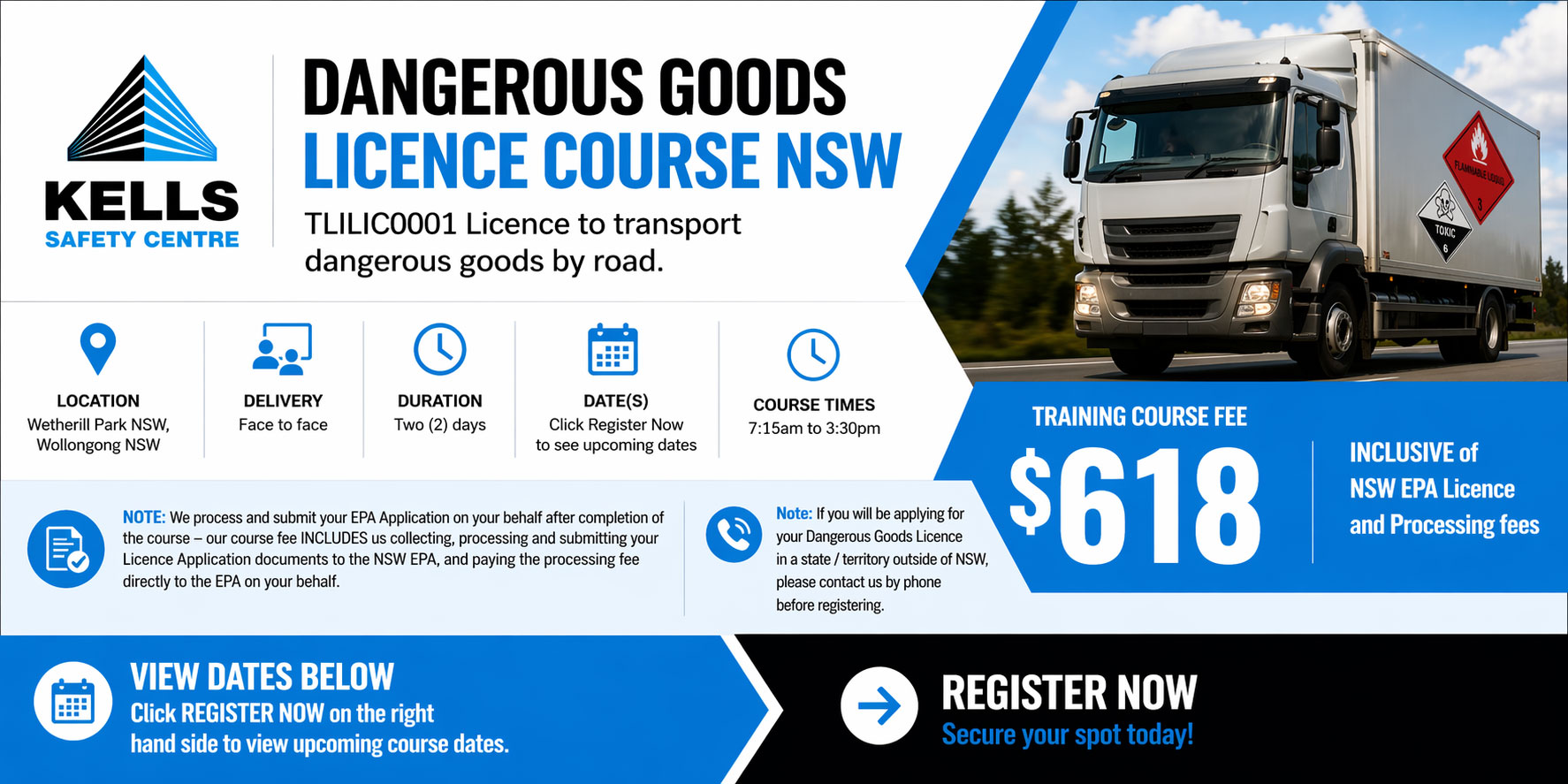
The training itself is completed over 2 days, but the overall timeline depends on booking, assessment, and the steps that follow course completion.
Do I need experience before taking the course?
Not always. The key issue is whether the course matches the transport work you will be doing.
What is the biggest mistake applicants make?
The biggest mistake is booking the wrong course or assuming all dangerous goods training leads to the same result.
Does the course automatically mean I am fully licensed?
Course completion is an important step, but you should still follow the next licensing requirements that apply after training.
Why should I get licensed early?
Because it reduces job delays, improves compliance, and puts you in a stronger position for dangerous goods transport roles.
Related Links / Pages
- Dangerous Goods Licence Course NSW
- Training Courses
- Prepare for Transport of Dangerous Goods
- Dangerous Goods Awareness Course
- Contact Us
Start With the Right Course
If you need to get licensed for dangerous goods transport in NSW, start by confirming the requirement and booking the correct accredited course, such as Kells Safety Centre. It is the most practical way to move forward quickly and confidently. Start with the accredited NSW course.
Book the Dangerous Goods Licence Course in NSW and make sure you are job-ready and compliant.