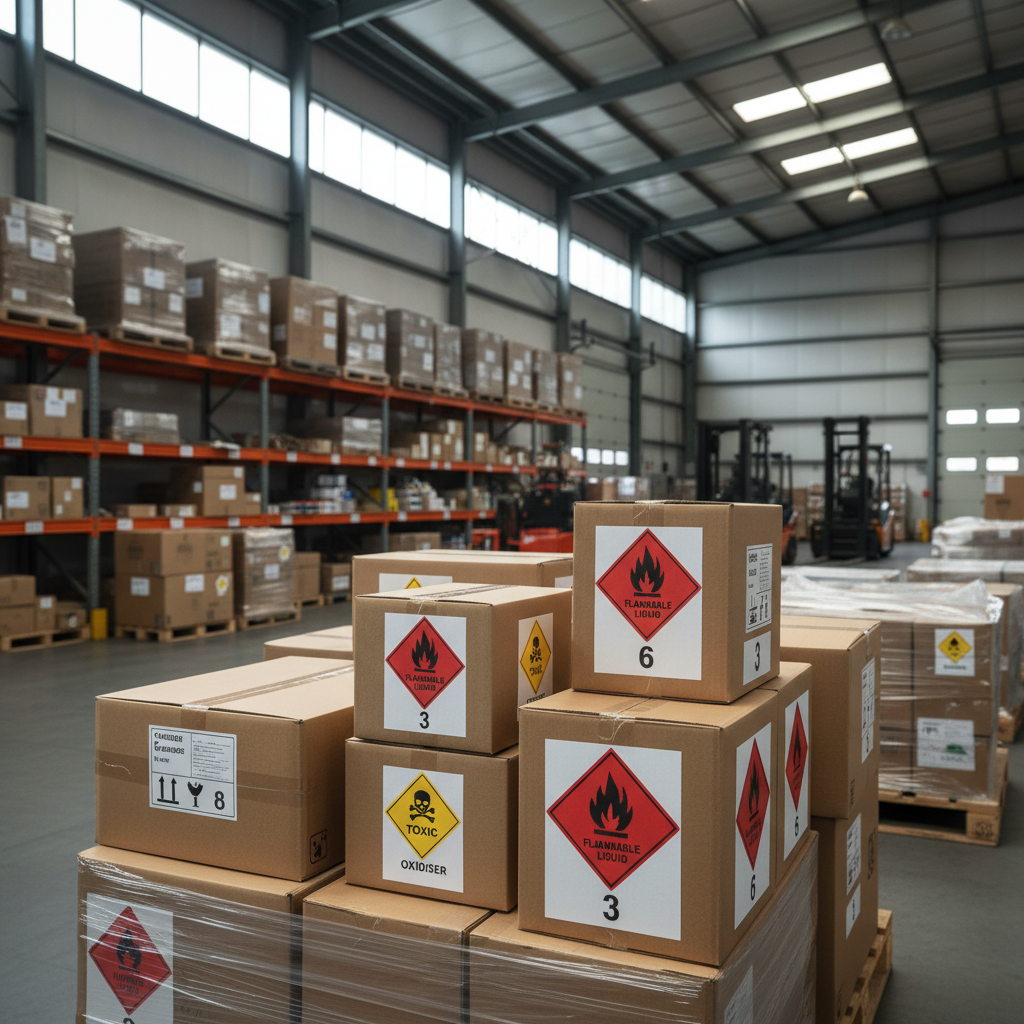
Before a dangerous goods consignment can legally move on Australian roads, it must meet strict preparation requirements set out in the Australian Dangerous Goods Code (ADG Code). These requirements cover classification, packaging, labelling, placarding, and documentation — and they’re not optional. Non-compliance risks penalties for the consignor, fines for the transport operator, and potential safety...Read More
Transport compliance in NSW is not optional — it is legally mandatory. Whether you operate a single truck or a fleet of 50 vehicles, you are subject to the Heavy Vehicle National Law (HVNL), dangerous goods regulations, workplace safety laws, and Chain of Responsibility (CoR) provisions. Miss even one area, and you face penalties up...Read More
If you schedule drivers, you are legally responsible for their fatigue. Under Chain of Responsibility (CoR) law, transport schedulers in NSW carry the same legal exposure as the drivers themselves — and in some cases, more. Pressure to meet delivery windows, unrealistic run times, and inadequate rest gaps are all fatigue-related breaches that can land...Read More
If you’re searching for a Basic Fatigue Management online course, you need to understand exactly what’s available in NSW u2014 and what the NHVR actually requires before you can operate under BFM accreditation. This guide covers everything: what BFM training involves, how it’s delivered, who needs it, and how to enrol through an NHVR-approved RTO...Read More